
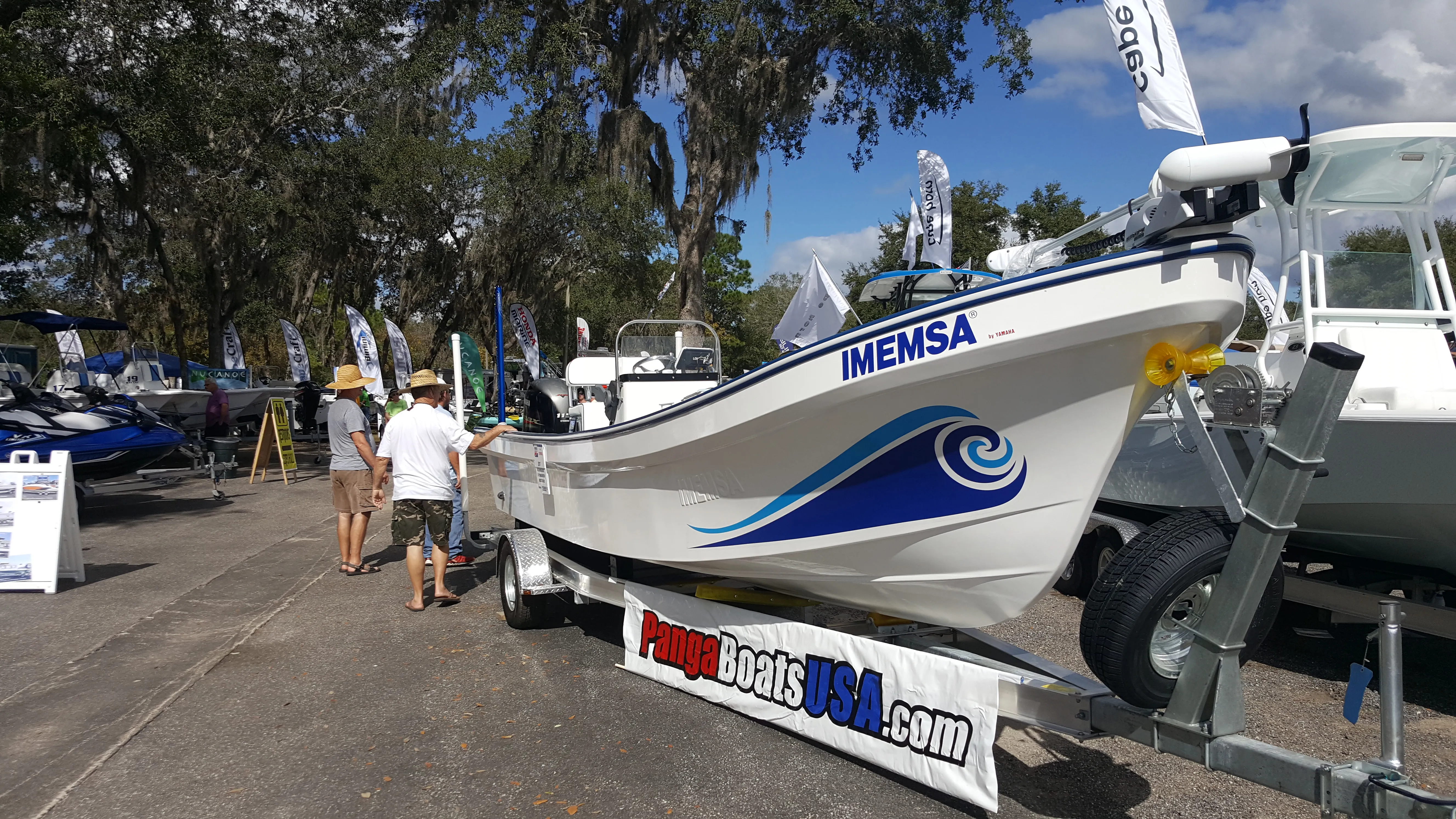
Panga vs.
Center Console
vs. Skiff
An honest breakdown. What a panga does better, what it doesn't, and how to pick the right hull for what you actually do on the water.
 Yamaha Imemsa Certified Hulls
 What Do You Actually Do on the Water?
This isn't a "panga wins at everything" argument. It isn't. Different hulls excel in different conditions, and the right choice depends almost entirely on how you actually use a boat — not on what sounds impressive at the dock.
If you run 40+ miles offshore into rough seas every weekend, a deep-V center console is probably the better tool. If you fish inshore, nearshore, or mixed coastal water and care about fuel cost, shallow access, and deck space — the math usually favors a panga by a substantial margin.
Read through the comparison below with your actual fishing in mind. Where you fish, how often, how far, how many people, and what it costs to operate — these are the variables that matter. The hull that wins those specific questions is the right hull for you.
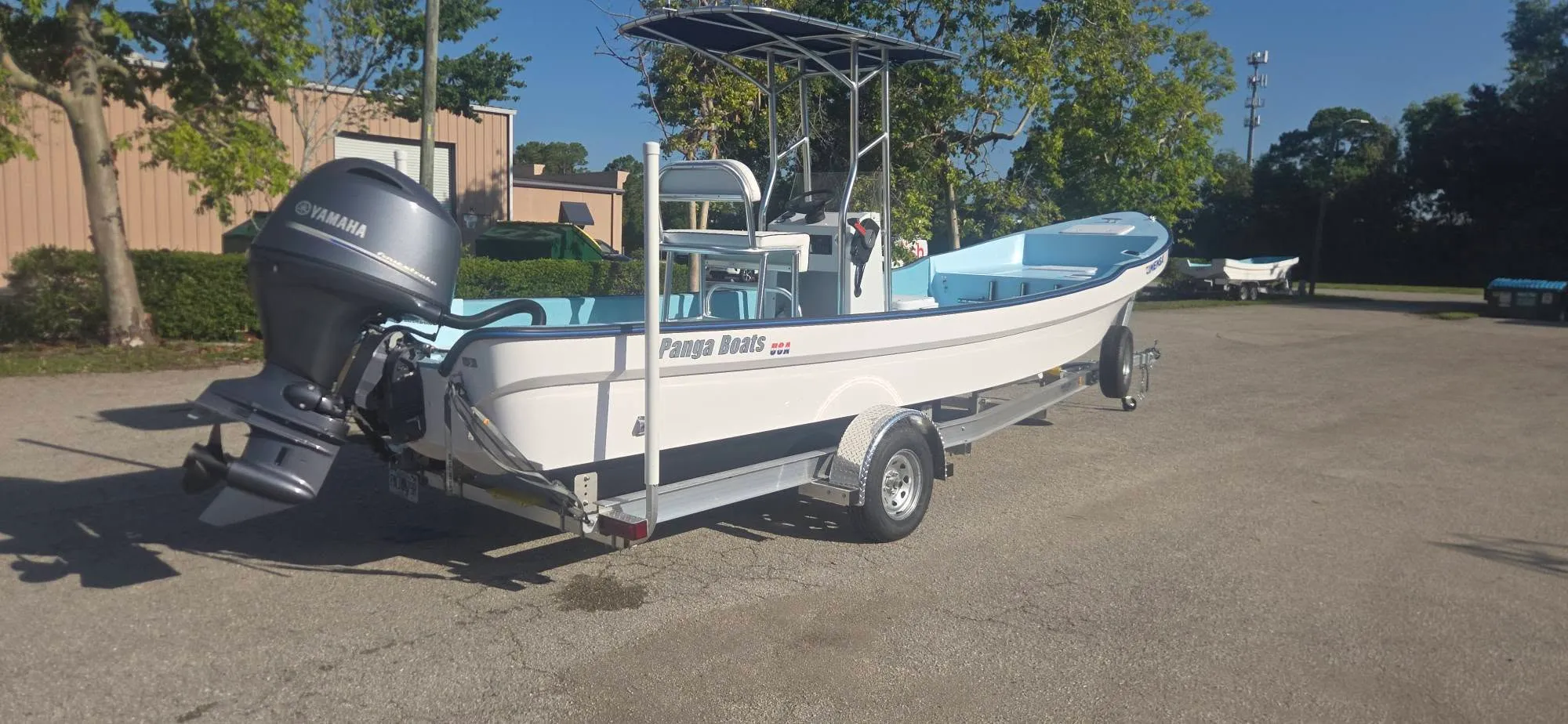
The Full Comparison
Amber highlight = panga advantage. Not highlighted = competitive or center console / skiff advantage.
| Feature | Panga (Imemsa) |
|---|---|
| Fuel Economy (cruise) | 5–7.4 mpg |
| Required Horsepower | 25–200 HP (hull-matched) |
| Shallow Draft | Excellent |
| Offshore Capability | Good–Excellent (25+ ft) |
| Deck Usability | Excellent — open, flat |
| Capacity-to-Weight | Outstanding (~3:1) |
| Rough-Water Comfort | Very Good (high-rail) |
| Commercial Durability | Excellent — designed for it |
| Purchase Price (hull) | Lower |
| Customization (factory) | Fully custom (in-house) |
| Engine Redundancy (twin) | Available (select models) |
| Electronics / Amenities | Add what you need |
Choose a Panga When…
- You fish inshore, nearshore, or mix both frequently
- Fuel cost matters — you run regularly or commercially
- Shallow-draft access is part of your fishing strategy
- You want a custom boat built to your spec, not factory packages
- Commercial or charter use — durability and capacity matter
- You want offshore capability without a 200 HP engine bill
- You're budget-conscious and want more boat per dollar
Consider a Center Console When…
- You regularly run offshore in rough conditions (2+ ft beam seas)
- Deep-V performance and rough-water comfort are top priorities
- You want factory amenities, livewell systems, and integrated rigging out of the box
- Twin-engine redundancy is required for your offshore range
- Speed over 45–50 mph is a requirement
We're not in the business of selling you a boat that doesn't fit how you fish. If you're a dedicated offshore deep-sea angler running 50+ miles in rough conditions, a deep-V center console is likely your tool. We'll tell you that honestly.
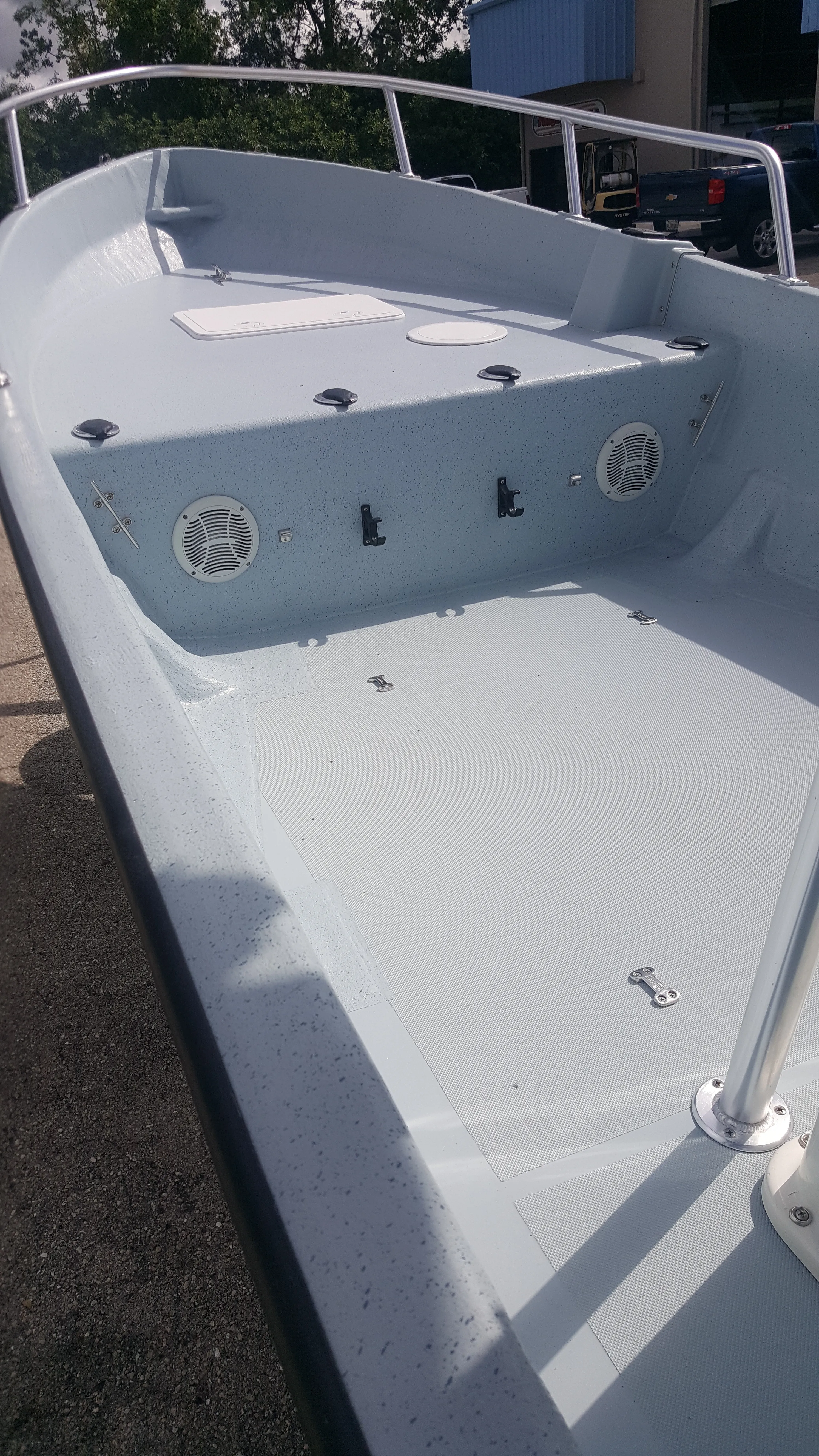
Panga vs. Center Console — The Real Difference
Fuel: A center console in the 24–26 ft class typically runs a 150–225 HP motor and returns 2–4 mpg at cruise. A W-25 panga on a Yamaha F70 returns 7.4 mpg at the same speed. On a 100-mile fishing trip that's 25–30 gallons of gas vs. 13–14. At current prices that's $50–$100 per trip saved.
Deck Space: Center console designs sacrifice significant deck space to the console, helm station, and under-deck storage systems. The panga gives you more usable open deck from bow to stern — more room to fight fish, store gear, carry divers, and work the boat efficiently.
Rough Water: This is where the center console wins in most cases. A deep-V hull in a 2-3 ft beam sea is more comfortable than a panga hull. The High Rail / B/A panga variants close this gap considerably, but for regular offshore runs in rough conditions, the deep-V is the right tool.
Total Cost: When you factor hull price, engine size, fuel cost, and service intervals over 5 years, the panga typically costs substantially less to own and operate. The "cheaper" center console at purchase often costs more to run over time.
Read Next
Panga Boats in Action →How real customers are using their builds — fishing, diving, charter, and family.